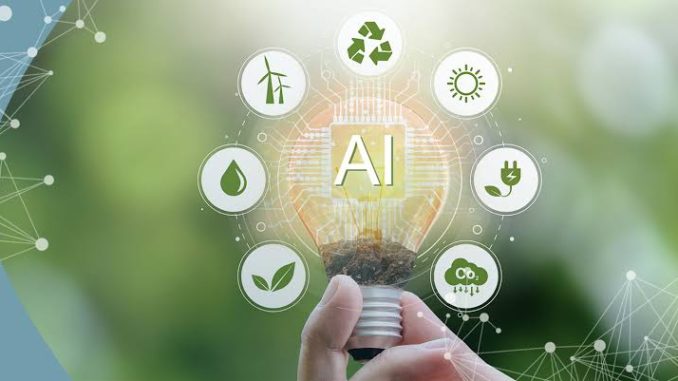
Artificial Intelligence (AI) has emerged as a powerful tool for addressing some of the most pressing challenges facing humanity, including climate change, environmental degradation, and resource scarcity. With its ability to analyze vast amounts of data, identify patterns, and make predictions, AI has the potential to revolutionize how we approach sustainability and conservation efforts. In this article, we explore the role of artificial intelligence in sustainable development, its applications, benefits, and the transformative impact it can have on building a greener and more sustainable future.
At its core, sustainable development seeks to meet the needs of the present without compromising the ability of future generations to meet their own needs. This requires balancing economic growth, social inclusion, and environmental protection to ensure a harmonious and equitable society. Artificial intelligence has the potential to play a critical role in achieving sustainable development goals by providing insights, solutions, and decision-making tools that enable more efficient resource management, environmental conservation, and climate action.
One of the key applications of artificial intelligence in sustainable development is in the field of environmental monitoring and conservation. AI-powered sensors, drones, and satellite imagery can collect and analyze data on various environmental indicators such as air and water quality, deforestation, and biodiversity loss. By monitoring changes in the environment in real-time and identifying areas of concern, AI can help conservationists and policymakers make informed decisions and take timely action to protect and preserve natural ecosystems.
Moreover, artificial intelligence can help optimize resource management and promote sustainable practices in sectors such as agriculture, energy, and transportation. AI algorithms can analyze data on soil health, weather patterns, and crop yields to optimize farming practices and reduce waste. In the energy sector, AI-powered systems can optimize the distribution and consumption of energy resources, maximize energy efficiency, and promote the adoption of renewable energy sources such as solar and wind power. In transportation, AI can optimize traffic flow, reduce congestion, and promote the use of public transportation and electric vehicles, thereby reducing greenhouse gas emissions and air pollution.
Furthermore, artificial intelligence has the potential to revolutionize disaster preparedness and response efforts by providing early warning systems, predictive analytics, and decision support tools that enable more effective and efficient disaster management. AI algorithms can analyze data from various sources such as weather forecasts, seismic activity, and social media to predict and mitigate the impact of natural disasters such as hurricanes, earthquakes, and floods. Moreover, AI-powered systems can assist emergency responders in coordinating rescue efforts, allocating resources, and prioritizing response actions in real-time.
Additionally, artificial intelligence can play a crucial role in promoting social inclusion and equitable access to resources and opportunities in sustainable development efforts. AI-powered systems can analyze demographic data, identify patterns of inequality and discrimination, and recommend policy interventions to promote social justice and equity. Moreover, AI can help bridge the digital divide by providing access to education, healthcare, and economic opportunities to marginalized communities through technologies such as online learning platforms, telemedicine, and mobile banking services.
Despite its potential, artificial intelligence also faces challenges and limitations in its application to sustainable development. Ethical considerations, privacy concerns, and biases in AI algorithms are among the key challenges facing the adoption and implementation of AI-based solutions. Moreover, the high costs of AI technologies, lack of technical expertise, and limited access to data and infrastructure in developing countries pose barriers to the widespread adoption of AI in sustainable development efforts.
In conclusion, artificial intelligence has the potential to revolutionize how we approach sustainable development by providing insights, solutions, and decision-making tools that enable more efficient resource management, environmental conservation, and climate action. From environmental monitoring and conservation to optimizing resource management and disaster preparedness, AI can help address some of the most pressing challenges facing humanity and build a greener and more sustainable future for generations to come. However, realizing the full potential of artificial intelligence in sustainable development requires addressing technical, ethical, and regulatory challenges, as well as fostering collaboration and innovation to harness the power of AI for the benefit of all. By leveraging artificial intelligence as a force for good, we can accelerate progress towards achieving the Sustainable Development Goals and creating a more equitable and sustainable world for future generations.